IAIA Sections
IAIA Sections provide opportunities for IAIA members with mutual interests to share experiences and discuss ideas in an informal setting. Sections provide a forum for active topical debate and for development and promotion of good practice. In the future IAIA hopes to strengthen links with other relevant organizations in section interest areas. Many sections have issued up-to-date key citations, guidance and information on best practice.
Each Section has its own online group forum for networking, communication and posting resources as part of IAIA's online community, IAIAConnect. A brief summary of each Section and a link to its online forum on Connect is below.
Posts and resources in section groups are viewable to anyone, and IAIA members are able to join the groups and post/reply to messages.
For more detailed information about each Section's objectives and activities, click the respective link at the left.
Links to Section Forum Groups
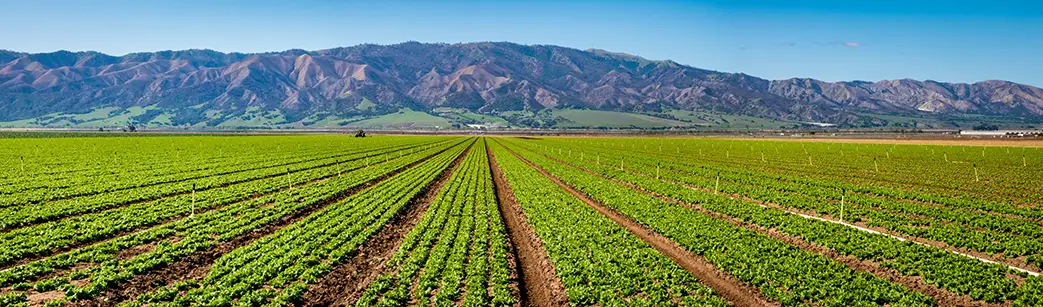
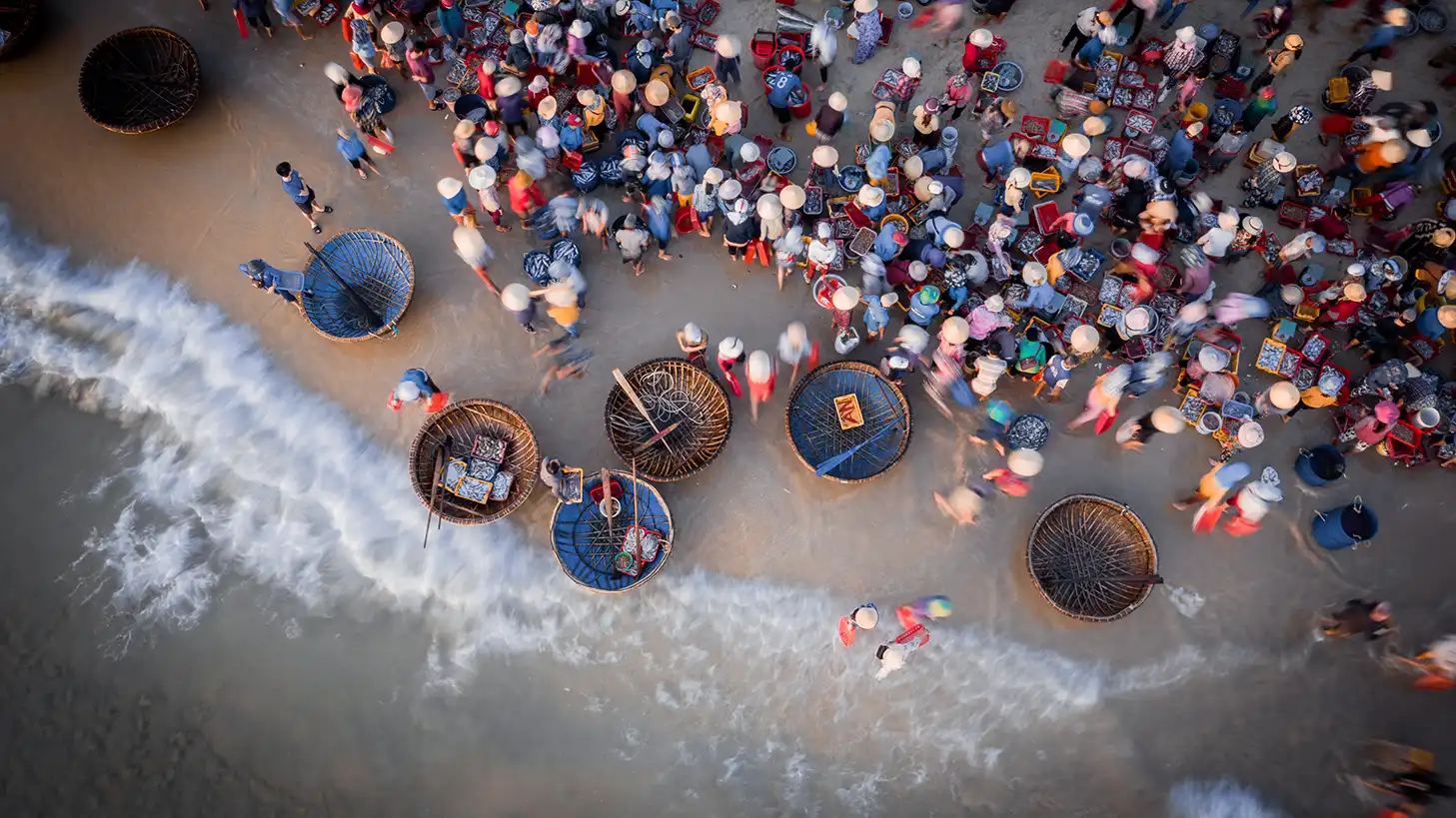
Agriculture, Forestry and Fisheries. New in 2005, this Section focuses on finding ways and means of increasing and improving the application of EIA to these sectors based on study, research, and input from practitioners.
Biodiversity and Ecology. focuses on ecological impact assessment, biodiversity in impact assessment, ecological compensation and mitigation, impact assessment for protected area establishment and management.
Climate Change. The goal of this Section is to provide a coordinated, international platform for IA practitioners to exchange expertise and knowledge on climate change across all areas of IA, and to enable outreach to climate change experts outside of the IA community.
Corporate Stewardship and Risk Management focuses on environmental auditing and management, incorporating auditing and impact assessment into environmental management systems and the development and operation of corporate environmental strategies.
Cultural Heritage. In response to increasing interest in the cultural heritage component of impact assessment, both within IAIA and throughout the world, an IAIA Cultural Heritage Section is in formation. Under the guidance of co-chairs Arlene Fleming and Julio de Jesus, a Key Citations document is being prepared and Best Practice Principles are being drafted. A meeting of the Section is planned for IAIA11, open to all who are interested.
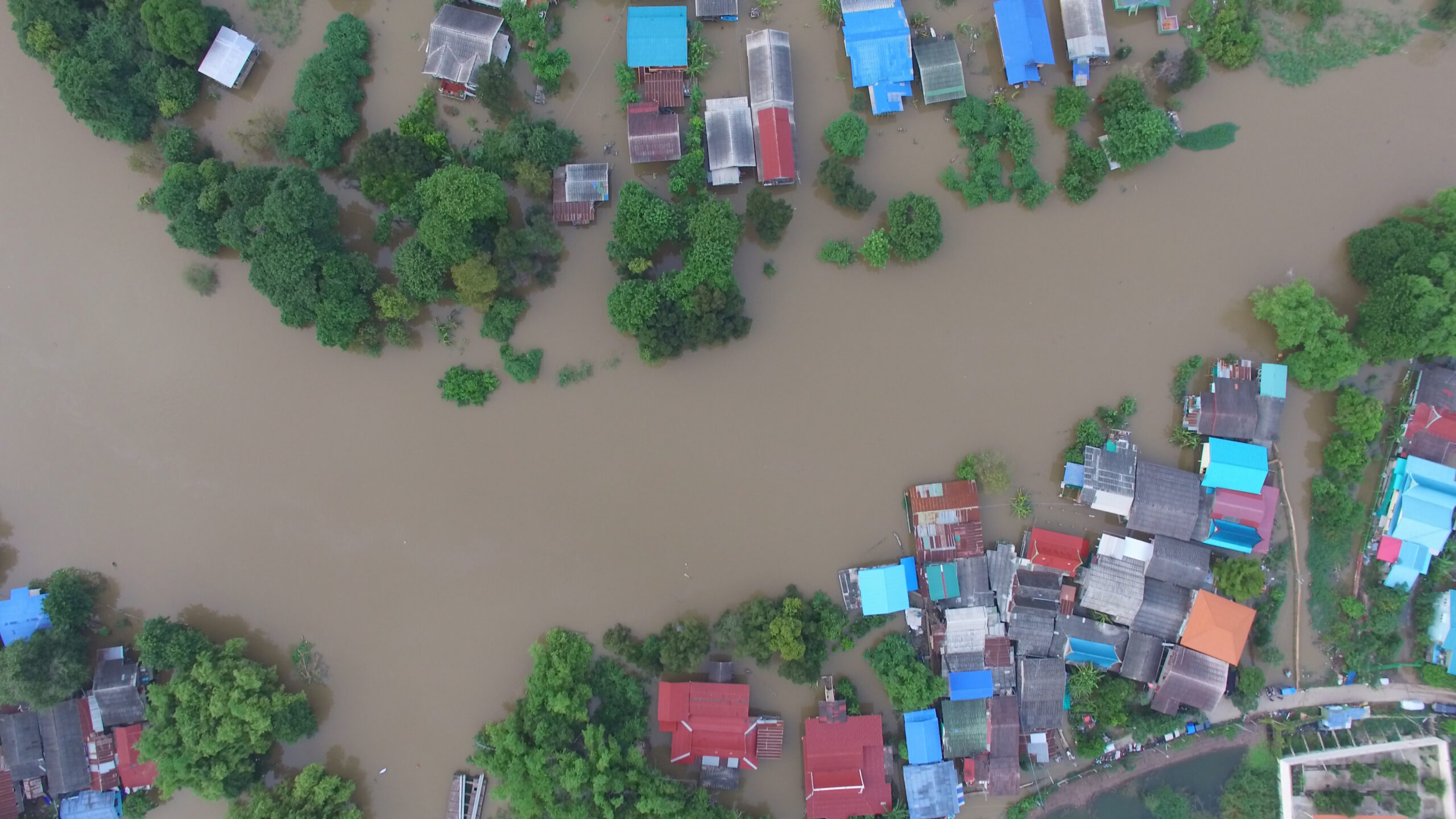
Disasters and Conflict. Disasters such as war, famine, floods and cyclones, etc., can have severe impacts on the environment, including biodiversity and social structures. Recovery processes often have to be implemented quickly. Impact assessment tools are needed which can be applied to disaster management and recovery plans to ensure that environmental implications are taken into account. This Section enables IAIA members to share and disseminate information on disaster-issues and to participate in the development of sustainable disaster management strategies.
Energy / Oil & Gas Energy (non-renewable) focuses mainly on environmental and social impacts caused by the oil and gas industry, including from exploration, drilling, transport, and industrial exploitation. Non-renewable energy also includes coal mining and other mining activities for energy purposes. Precautionary steps to avoid impacts form oil spills, transport of oil and gas, and industrial pollution is a key focus of this section. Renewable energy encompasses hydropower, hydrokinetics, wind, solar, biomass, geothermal, and other forms of renewable energy that reduce our dependence on traditional energy sources. However, all development has its own types of environmental impacts and this section focuses on sharing ideas towards identifying and reducing the environmental footprint caused by use of renewable energy.
Health. health impact assessment throughout the world and integration of human health concerns into impact assessment.
Impact Assessment Law, Policies and Practice. Environmental legislation plays a vital part in effective EA systems. This Section discusses environmental legislation and its role in EA policy and practice.
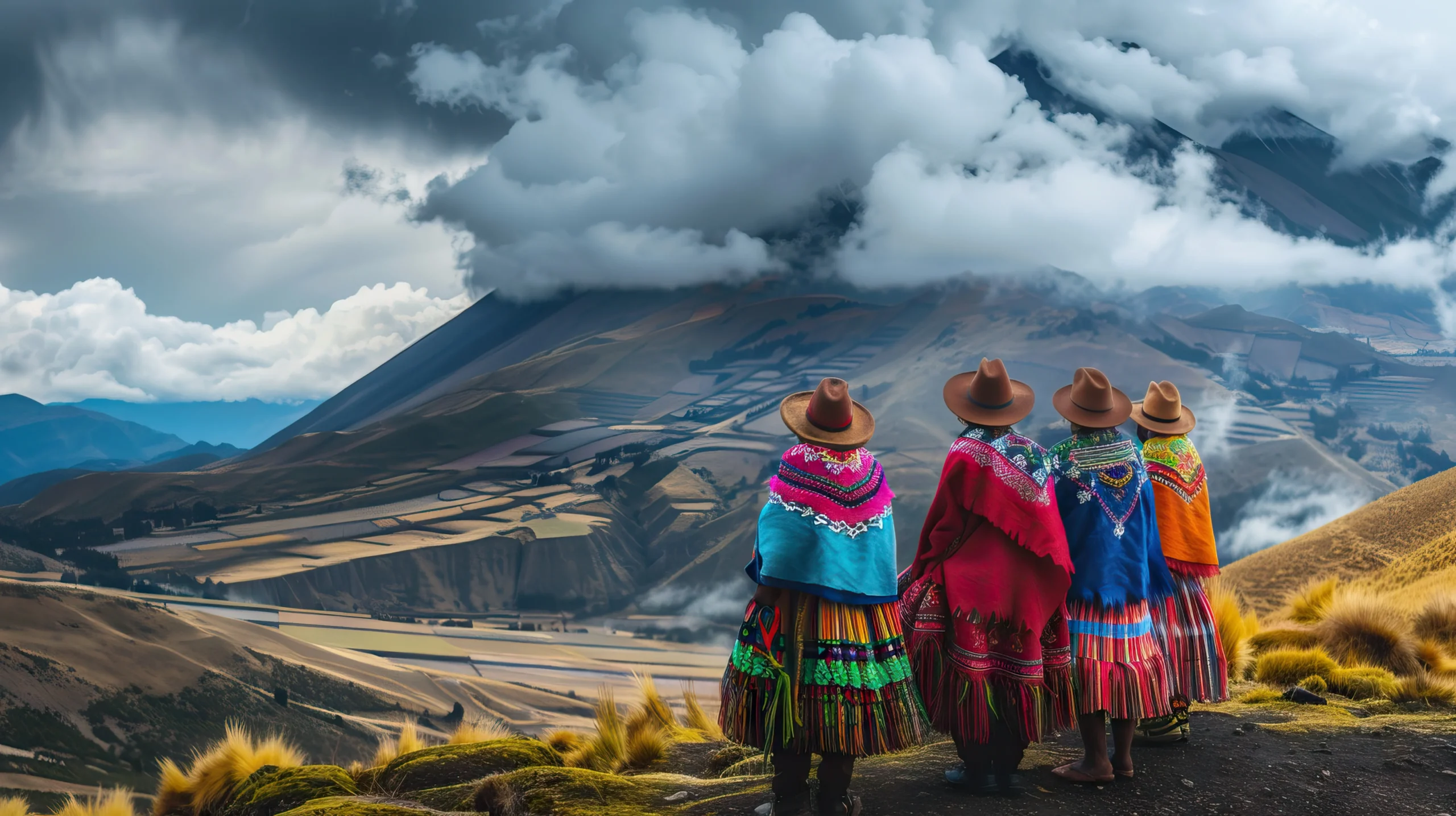
Indigenous Peoples addresses indigenous issues in impact assessment, including developing guidelines for the recognition and full inclusion of indigenous concerns in all aspects of impact assessment, traditional knowledge, and impact assessment capacity building for indigenous people.
Integrated Assessment of Trade-Related Policies helps members keep abreast of this rapidly developing area of impact assessment by meeting, exchanging ideas, and learning from others who practice in the field. The Trade Section promotes and publishes in IAPA scholarly and general information on policy development, case studies, methodologies and codes of good practice that enables practitioners in developed and developing countries to conduct IAs.
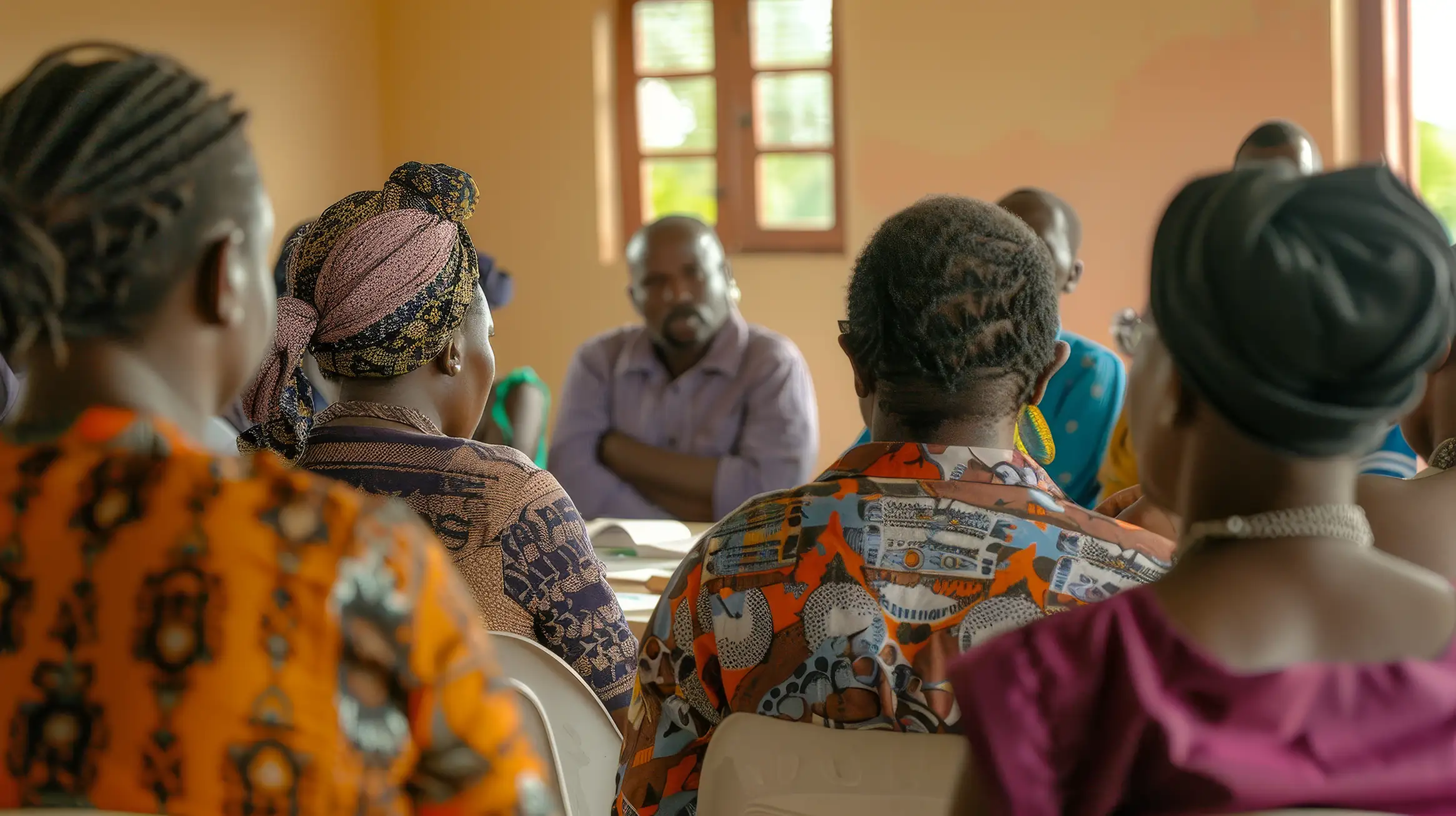
Public Participation. Explore principles and techniques of effective public participation as part of EA.
Social Impact Assessment. The development of professional good practice in all aspects of SIA, drawing on the experience of SIA practitioners in the private, public and academic sectors around the world.
Strategic Environmental Assessment covers all aspects of strategic environmental assessment. Development of legislation. SEA as a tool for cumulative effects assessment
The Student and Early Professional (SEP) group strives to provide activities and services of interest to this highly diverse segment of IAIA membership and to recruit new members in this interest area. SEP has initiated a student waiver, room sharing and/or student hostel and the mentoring programs for the annual conferences.